Of course, I used vintage lenses when I went to shoot the historic landmark. Took a Voigtlander BESSA R2C with a Zeiss Opton Biogon 35/2.8 T lens.
On February 4th, the Taipei Guesthouse reopened to the public after a major renovation. I took my wife and 2-year-old daughter to visit. We had already pre-booked our tickets online, so we were able to enter quickly after presenting our ID and passing a security check. We were surprised to find that we were free to explore the guesthouse at our own pace, rather than following a guided tour.
The architecture of the Taipei Guesthouse is beautiful. There is also a video on display that provides information about the renovation process. It was a great opportunity to learn about the history of this important landmark. The back garden is paved with white pebbles, which give it a Japanese garden feel. My daughter loved playing with the pebbles, and it was hard to get her to leave.
Taipei Guesthouse online booking:
http://tgh.mofa.gov.tw/
Parking is not convenient near the Taipei Guesthouse. I recommend parking in the underground parking garage at the Chiang Kai-shek Memorial Hall and walking the rest of the way (about 10-15 minutes).
Here are some of the Taipei Guesthouse's visiting rules:
Queue up and pass through security.
Do not enter restricted areas, linger without reason, or do anything that would disturb other visitors.
Leave large bags or other items at the designated location. They are not allowed inside the guesthouse.
Do not bring prohibited items or dangerous materials.
Do not smoke, eat, chew betel nuts, gum, or bring pets inside.
Do not step on the grass or climb, destroy, or damage the flowers, trees, or other public property inside the guesthouse.
Do not use cell phones inside the guesthouse buildings.
Do not bring banners or flags inside.
Visitors should be neatly dressed. They are not allowed to wear sweaty shirts, slippers, or other inappropriate clothing.
Do not take photos or videos in prohibited areas.
拍古蹟當然是出動老鏡,一切從簡的 Voigtlander BESSA R2C 與 Zeiss Opton Biogon 35/2.8 T。
2/4當天艷陽高照,台北賓館重新整修後首次開放民眾參觀,於是帶著我親愛的老婆和可愛的2歲女兒到訪。因為我們事先已經先上網路預約,所以在入口處查驗證件,並進行簡單的安全檢查,確認我們沒有攜帶任何「刀劍槍炮彈藥」後就放行了。原本以為要跟著導引人員走,走完一圈就結束,卻發現只要在規範的區域內,愛參觀多久就參觀多久。
台北賓館的建築很美,館內還有賓館整修過程的影片可供了解古蹟修復的程序,算是不錯的知性之旅。賓館後院走道鋪的是日本「枯山水」用的白石子,勉強有日式庭園的味道。女兒就蹲在地上玩起了白石子,玩得不亦樂乎,好不容易用「吃麵麵」的引誘把她帶離現場。
台北賓館網路預約 http://tgh.mofa.gov.tw/。
台北賓館附近停車不便,建議停在中正紀念堂的地下停車場再走路過去(約10~15分鐘)。
台北賓館參觀注意事項節錄如下:
依序排隊並接受安全檢查。
不得擅自跨越非開放區域、藉故滯留或有其他影他人參觀之行為。
大型包裹或物品請托寄於指定地點,不得攜帶入館。
禁止攜帶違禁品或其他危險物品。
禁止吸煙、飲食、嚼食檳榔、口香糖及攜帶寵物進入。
禁止踐踏草皮或攀折、破壞、毀損賓館內之花草樹木及其他公物。
禁止於賓館建? v物內使用行動電話。
禁止攜帶標語、旗幟進入。
參觀民眾服裝應整齊清潔,不得穿著汗衫、拖鞋等不雅服裝進入。
不得擅自於禁止拍照之地點拍照或攝影。
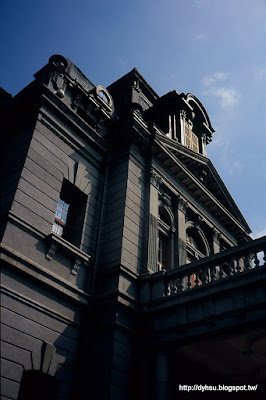
Photo 1: 台北賓館 (BESSA R2C, Zeiss Opton Biogon 2.8/35mm T)

Photo 2: 台北賓館右翼 (BESSA R2C, Zeiss Opton Biogon 2.8/35mm T)

Photo 3: 台北賓館長廊 (BESSA R2C, Zeiss Opton Biogon 2.8/35mm T)
其它精采照片請參閱 台北賓館 相簿。
2/4當天艷陽高照,台北賓館重新整修後首次開放民眾參觀,於是帶著我親愛的老婆和可愛的2歲女兒到訪。因為我們事先已經先上網路預約,所以在入口處查驗證件,並進行簡單的安全檢查,確認我們沒有攜帶任何「刀劍槍炮彈藥」後就放行了。原本以為要跟著導引人員走,走完一圈就結束,卻發現只要在規範的區域內,愛參觀多久就參觀多久。
台北賓館的建築很美,館內還有賓館整修過程的影片可供了解古蹟修復的程序,算是不錯的知性之旅。賓館後院走道鋪的是日本「枯山水」用的白石子,勉強有日式庭園的味道。女兒就蹲在地上玩起了白石子,玩得不亦樂乎,好不容易用「吃麵麵」的引誘把她帶離現場。
台北賓館網路預約 http://tgh.mofa.gov.tw/。
台北賓館附近停車不便,建議停在中正紀念堂的地下停車場再走路過去(約10~15分鐘)。
台北賓館參觀注意事項節錄如下:
依序排隊並接受安全檢查。
不得擅自跨越非開放區域、藉故滯留或有其他影他人參觀之行為。
大型包裹或物品請托寄於指定地點,不得攜帶入館。
禁止攜帶違禁品或其他危險物品。
禁止吸煙、飲食、嚼食檳榔、口香糖及攜帶寵物進入。
禁止踐踏草皮或攀折、破壞、毀損賓館內之花草樹木及其他公物。
禁止於賓館建? v物內使用行動電話。
禁止攜帶標語、旗幟進入。
參觀民眾服裝應整齊清潔,不得穿著汗衫、拖鞋等不雅服裝進入。
不得擅自於禁止拍照之地點拍照或攝影。

Photo 1: 台北賓館 (BESSA R2C, Zeiss Opton Biogon 2.8/35mm T)

Photo 2: 台北賓館右翼 (BESSA R2C, Zeiss Opton Biogon 2.8/35mm T)

Photo 3: 台北賓館長廊 (BESSA R2C, Zeiss Opton Biogon 2.8/35mm T)
其它精采照片請參閱 台北賓館 相簿。


