顯示具有 Voigtlander 標籤的文章。 顯示所有文章

2025年8月9日 星期六

Sony A7C, Konica Hexanon 35/2, Voigtlander Color-Heliar 75/2.5 Combination 外拍組合

2025.7.27

The Sony A7C is my second Sony full-frame digital camera. I bought it because its lightweight body (compared to the Sony A7III) is perfect for adapting classic RF film camera lenses, such as Leica M39 lenses or Contax/Nikon RF lenses. Pairing the silver-and-black camera with two silver lenses for outdoor shooting feels like stepping back into the 1950s — a perfect match.

Traditional RF film cameras have a physical limitation in close-up photography because the optical axis of the lens and that of the rangefinder window are not the same. As a result, most lenses are designed to focus only down to about 0.9–1 meter. Nowadays, many lens adapters are designed with a focusing helicoid, which allows the focusing range to extend by about 5 millimeters when the lens is mounted on a digital mirrorless camera, shortening the minimum focusing distance by several tens of centimeters and adding even more enjoyment to shooting.

Sony A7C 是我的第二台 Sony 全幅數位相機,購入的原因是她輕便的機身(相較於Sony A7III)非常適合轉接傳統RF底片相機的鏡頭,例如Leica M39鏡頭或Contax/Nikon RF鏡頭。銀黑色的相機搭配兩顆銀色鏡頭外拍,彷彿回到了1950年代,真是絕配啊。傳統RF底片相機由於鏡頭的光軸和測距窗的光軸並不一樣,在近距離拍攝上有物理限制,因此大部分的鏡頭在設計上僅能對焦到0.9~1米。現在很多轉接環在設計上都加入的調焦功能,當鏡頭裝在數位相機上時對焦可以再延伸約5毫米,讓最近對焦距離可以縮短數十公分,在拍攝上的樂趣就更大了。

Sony A7C and Lens Combo

Sony A7C, Konica Hexanon 35/2

Sony A7C, Konica Hexanon 35/2

Voigtlander Color-Heliar 75/2.5

Voigtlander Color-Heliar 75/2.5

2021年8月26日 星期四

Sony A7 II + Konica、Voigtlander L39 Lens Test 鏡頭測試

2021.8.24-26

Recently, I've collected three L39 lenses:
  1. Konica Hexanon 35/2: Derived from Konica's fixed-focus automatic camera Hexar, this lens was limited to 1000 units in 1996. It features a 7-element, 6-group design, reportedly inspired by the Leica Summicron 35/2. It has a minimum focusing distance of 0.9 meters, aperture range from 2 to 16, and a 46mm filter thread. It comes with original lens hood and front/rear caps. The one I have is numbered "853."
  2. Kinishiroku Hexar 50/3.5: This lens emulates the design of the Leitz Elmar 5cm f/3.5. It has a 4-element, 3-group Zess Tessar design, with a minimum focusing distance of 3.5 feet and aperture range from 3.5 to 22. It was first sold in 1955, paired with Japanese-made cameras mimicking the Leica III (L39) such as Chiyotax, Leotax, Nicca, etc.
  3. Voigtlander Color-Heliar 75/2.5: Released in 1999, this is said to be the first 75mm lens with an L39 mount after World War II. It features a 6-element, 5-group design, with a minimum focusing distance of 3.5 feet or 1 meter, and aperture range from 2.5 to 16. It has a filter thread of 43mm.

最近收集了三顆L39鏡頭: 
  1. Konica Hexanon 35/2 源自Konica的定焦自動相機Hexar的鏡頭,在1996年限量銷售1000顆,鏡組是7片6群的結構,據說是源自Leica Summicron 35/2的設計,最近對焦距離為0.9米,光圈為2~16,濾鏡口徑46mm,附有原廠遮光罩與鏡頭前後蓋,我手邊的這顆是編號"853"。
  2. Kinishiroku Hexar 50/3.5 模仿 Leitz Elmar 5cm f/3.5 設計的鏡頭,鏡組同樣是是4片3群的Zess Tessar設計,最近對焦距離為3.5英呎,光圈為3.5~22,濾鏡口徑34.5mm。首次銷售是在1955年,搭載一樣是模仿Leica III (L39)相機的日本製相機,如Chiyotax、Leotax、Nicca等品牌。
  3. Voigtlander Color-Heliar 75/2.5 1999年上市,據說是二次世界大戰後的第一顆L39接環的75mm鏡頭,鏡組是6片5群的結構,最近對焦距離為3.5英呎/1米,光圈為2.5~16,濾鏡口徑43mm。

The 1955 Kinishiroku Hexar 50/3.5 lens, paired with the 2015 Sony A7 II, demonstrates how the advent of full-frame mirrorless digital cameras has revived many vintage lenses in the digital imaging era. Additionally, it's suggested to consider versions of Leica L39 to Sony E mount adapters with close focusing functionality, allowing traditional rangefinder lenses with limited focusing to focus closer than 1 meter.

1955年的 Kinishiroku Hexar 50/3.5 老鏡搭上 2015年的 Sony A7 II,多虧全幅無反數位相機的問世,讓許多老鏡可以在數位影像時代重生。另外,也建議Leica L39 轉 Sony E接環的版本可以選購有微距條焦功能的版本,可讓傳統只能對焦到1米左右的測距相機鏡頭可以近拍到1米以內。


Sony A7 II with Kinishiroku Hexar 50/3.5


Leotax K with Kinishiroku Hexar 50/3.5


Left to right: Konica Hexanon 35/2, Kinishiroku Hexar 50/3.5
and Voigtlander Color-Heliar 75/2.5


Left to right: Konica Hexanon 35/2, Kinishiroku Hexar 50/3.5
and Voigtlander Color-Heliar 75/2.5


In late August 2021, as the first wave of the Covid-19 pandemic in Taipei gradually subsided, restrictions began to ease, and kids' soccer training resumed. During a few days when I had spare time while accompanying my child to classes at Da Jia Riverside Park, I took a stroll nearby with these three L39 lenses and the Sony A7 II camera, capturing some test shots.


2021年8月下旬,台北第一波Covid-19重大疫情逐漸消退,大家也開始解封,小孩的足球集訓也展開了。趁著幾天到大直迎風河濱公園陪小孩上課的空檔,我帶這這三顆L39鏡頭和Sony A7 II相機在附近逛了一圈,留下一些測試相片。


Konica Hexanon 35/2


Konica Hexanon 35/2


Voigtlander Color-Heliar 75/2.5


Voigtlander Color-Heliar 75/2.5


Kinishiroku Hexar 50/3.5


Kinishiroku Hexar 50/3.5


Kinishiroku Hexar 50/3.5


Kinishiroku Hexar 50/3.5

2011年11月17日 星期四

Let's play with film puzzles! Bessa R2C + Jupiter 11 4/135

I've seen photography works like this before in Japanese MOOK magazines, where they use the cropping and saving method after shooting on film (6 frames x 6 strips) to present a subject, creating an image that resembles a 36-piece puzzle.

For the following two examples, film photography enthusiasts should quickly understand the shooting process:

1. Prepare one roll of 135 film.
2. Get a 135mm-200mm telephoto lens.
3. Choose a theme, whether it's horizontal or vertical. In my examples, I used a 3x6 format, so one roll of film can capture two frames.
3. Select a shooting distance. Simulate composing the theme in a 3x6 format using 18 frames, keeping in mind that the film counting goes from right to left and from top to bottom.
4. Set the camera to manual exposure, determining the aperture and shutter speed. Try not to change settings during shooting to ensure consistent exposure across the 18 frames.
5. Start shooting formally, capturing each frame at a steady pace of 1-2 seconds each. Stay focused!

After finishing the shoot, it's time to develop the film. Remember to ask the lab not to cut the film, and cut it yourself at home to avoid accidentally cutting the wrong frame, ensuring the pieces can be arranged into a complete artwork.


Voigtlander Bessa R2C, Jupiter-11 4/135, RDP III


Voigtlander Bessa R2C, Jupiter-11 4/135, RDP III

以前在日文MOOK上看過這樣的攝影作品,利用底片拍攝後剪裁保存方式(6 frames x 6 strips)來呈現一個主體,作品很像一幅36片的拼圖。

就以下兩個例子,喜歡底片的攝影同好應該很快就了解其拍攝步驟:

1. 準備135底片1卷。
2. 準備135mm-200mm的長鏡頭。
3. 挑選主題,橫幅或直幅,我的例子是3x6,因此1卷底片可以拍2幅。
4. 挑選拍攝距離,模擬以18張底片將主題以3x6方式構圖,注意底片的計數是由右至左,由上而下。
5. 將相機設定成手動曝光,決定好光圈快門,拍攝中途盡量不要變動,讓18張底片的曝光一致。
6. 正式開拍,以每張1~2秒的速度循序拍攝,要專心。

拍攝完畢後就可以送洗底片了,記得請店家不要剪斷底片,回家自己剪,才不會不小心剪錯格,無法排成一幅完整作品。


2009年5月31日 星期日

Distagon 2.8/28mm T* + Color Skopar 4/21mm @ Taipei Children's Education and Entertainment Center 兒童育樂中心

2009.5.30

I'm from Kaohsiung, and my childhood memories of Taipei are of two places: the Taipei Zoo and the Children's Playground. After moving to Taipei for work, the zoo had already been relocated to Muzha, and the old site was merged with the Children's Playground to become the Taipei Children's Education and Entertainment  Center. It wasn't until my daughter started kindergarten a few years ago that I finally had the chance to visit the Children's Playground again.

In total, we've been about five or six times since last year. My daughter loves the teacup ride and the spinning chair, both of which can be dizzying. After playing for a while, we often go to the area near the Keelung River, where there's a large sandbox. My daughter loves playing in the sand, and my wife and I help her out. Sometimes I really wish time would stop so we could live carefreely.

In April, the Children's Playground was finally retired due to the Taipei Flora Expo. I finally convinced my daughter to join us on the Ferris wheel and the merry-go-round. Even though the lines for each ride were long due to the number of nostalgic visitors, everyone's faces were filled with a sense of nostalgia and gratitude. After all, this is a precious childhood memory for two or three generations.

我是高雄人,小時後對台北的印象一個是圓山動物園、一個是兒童樂園,到台北工作後動物園已經搬到了木柵,原來的舊址跟兒童樂園整合後就成了台北市力兒童育樂中心。在台北定居十幾年來一直到最近兩年因為女兒上了幼稚園,到了好玩的年紀才有機會再次造訪兒童樂園。
算一算去年到現在也來了五六次,女兒最喜歡玩咖啡杯與旋轉椅,都是另人頭昏的設施,玩累了我們常到靠近基隆河河畔的園區一偶,這裡有一個大沙坑,女兒很高興的在這邊玩砂,我和老婆在旁邊當助手,有時真希望時光就此打住無憂無慮的過日子。

今年四月因為台北市要辦花博的關係,兒童樂園終於要退休了,好不容易說服女兒陪我們坐了魔天輪和旋轉木馬,雖然因為懷舊的遊客太多了,每樣遊樂設施都大排長龍,但是大家的臉上都是充滿著不捨和感恩的表情,畢竟這是兩三代人珍貴的童年回憶。

I wanted to capture the entire exterior of the rides in the composition, so I used wide-angle lenses for both shoots.
CONTAX S2 + Distagon 2.8/28mm T* 與 BESSA R2C + Color Skopar 4/21mm

想把遊樂設施的外觀整個放入構圖中所以這兩次拍設都以廣角鏡頭為主
CONTAX S2 + Distagon 2.8/28mm T* 與 BESSA R2C + Color Skopar 4/21mm


Photo 1: 旋轉木馬


Photo 2: 旋轉椅

See other photos in the "Children's Education and Entertainment Center" album.

其他照片請參閱 相簿 - 兒童育樂中心

2007年2月23日 星期五

Zeiss Opton Biogon 2.8/35 T @ The Little White House 淡水小白宮

2007.2.23

This Zeiss Opton Biogon 2.8/35mm T lens, which has a history of over 50 years, has a serious problem since I got it. The glass at the last lens group bonding has deteriorated. When the subject is high-contrast and backlit, the image will show obvious white spots, especially at small apertures of f8-f16. Therefore, today's shooting is mainly for testing purposes, and I want to understand the applicable occasions and working apertures of this lens.

In the past, when I went to the area near Tamkang University and Oxford School, I was often attracted by the Little White House within the walls. Unfortunately, they were not open to the public at that time, so I could only put that expectation in my heart. On the sixth day of the Lunar New Year, the sunny day finally won the favor of the rainy spring festival. I took my two-year-old daughter to take the MRT specially. The daughter was full of curiosity for the first time taking the MRT. She was following me to grab a seat along the way. I was really glad that she didn't make a big noise in the car.

To get back to the topic, after eating delicious fish balls and meat buns in Tamsui Old Street, the next stop was supposed to be the A-ge on Zhenli Street. After finally walking up the slope, we found that the A-ge on Zhenli Street was still closed. We originally planned to go to Tamkang University for a stroll, but we happened to find that Little White House was open for visiting. I couldn't wait to buy a ticket and enter to visit. There were only a few tourists in the vast park, so my wife and daughter happily played on the grass, while I took out my camera to leave a few long-awaited images.

手邊這顆五十幾年歷史的 Zeiss Opton Biogon 2.8/35mm T,從入手後就有個嚴重的問題,那就是最後鏡組膠合處的玻璃已經變質,遇到高反差與大逆光主題時,成像會出現明顯的白斑,尤以小光圈f8-f16為甚,所以今日拍攝主要是測試性質,注要想了解此鏡的可用場合與工作光圈。

以前到淡江中學與牛津學堂附近,常會被那圍牆內的小白宮所吸引,無奈當時均未對外開放,只能將那份期待暫存心中。大年初六,陰雨綿綿的春節終於獲得陽光的青睞,特地帶著2歲多的女兒去搭捷運,第一次搭捷運女兒充滿好奇,一路上跟我搶位子坐,真高興她沒有在車廂內大吵大鬧。
 
言歸正傳,在淡水老街吃完了可口魚丸與肉包,接下來原本是真理街的阿給,好不容易走完上坡卻發現真理街阿給還在公休,原本打算往淡江中學逛逛,確偶然發現小白宮已經開放參觀。迫不及待的買完票入內參觀,偌大的園區只有遊客三三兩兩,讓老婆與女兒開心的在草地上玩,我則拿起相機留下幾張期盼已久的影像。


Photo 1: 小白宮,在走廊上跑的是我女兒 (Bessa R2C, Zeiss Opton Biogon 2.8/35mm T)


Photo 2: 小白宮後門 (Bessa R2C, Zeiss Opton Biogon 2.8/35mm T)


Photo 3: 小白宮走廊 (Bessa R2C, Zeiss Opton Biogon 2.8/35mm T)

Other photos are available in the album-Tamsui Little White House.
其他照片請參閱 相簿-淡水小白宮

2007年2月4日 星期日

Zeiss Opton Biogon 2.8/35 T @ The Taipei Guesthouse 台北賓館

2007.2.4

Of course, I used vintage lenses when I went to shoot the historic landmark. Took a Voigtlander BESSA R2C with a Zeiss Opton Biogon 35/2.8 T lens.
On February 4th, the Taipei Guesthouse reopened to the public after a major renovation. I took my wife and 2-year-old daughter to visit. We had already pre-booked our tickets online, so we were able to enter quickly after presenting our ID and passing a security check. We were surprised to find that we were free to explore the guesthouse at our own pace, rather than following a guided tour.

The architecture of the Taipei Guesthouse is beautiful. There is also a video on display that provides information about the renovation process. It was a great opportunity to learn about the history of this important landmark. The back garden is paved with white pebbles, which give it a Japanese garden feel. My daughter loved playing with the pebbles, and it was hard to get her to leave.

Taipei Guesthouse online booking:
http://tgh.mofa.gov.tw/

Parking is not convenient near the Taipei Guesthouse. I recommend parking in the underground parking garage at the Chiang Kai-shek Memorial Hall and walking the rest of the way (about 10-15 minutes).

Here are some of the Taipei Guesthouse's visiting rules:
Queue up and pass through security.
Do not enter restricted areas, linger without reason, or do anything that would disturb other visitors.
Leave large bags or other items at the designated location. They are not allowed inside the guesthouse.
Do not bring prohibited items or dangerous materials.
Do not smoke, eat, chew betel nuts, gum, or bring pets inside.
Do not step on the grass or climb, destroy, or damage the flowers, trees, or other public property inside the guesthouse.
Do not use cell phones inside the guesthouse buildings.
Do not bring banners or flags inside.
Visitors should be neatly dressed. They are not allowed to wear sweaty shirts, slippers, or other inappropriate clothing.
Do not take photos or videos in prohibited areas.

拍古蹟當然是出動老鏡,一切從簡的 Voigtlander BESSA R2C 與 Zeiss Opton Biogon 35/2.8 T。
2/4當天艷陽高照,台北賓館重新整修後首次開放民眾參觀,於是帶著我親愛的老婆和可愛的2歲女兒到訪。因為我們事先已經先上網路預約,所以在入口處查驗證件,並進行簡單的安全檢查,確認我們沒有攜帶任何「刀劍槍炮彈藥」後就放行了。原本以為要跟著導引人員走,走完一圈就結束,卻發現只要在規範的區域內,愛參觀多久就參觀多久。
台北賓館的建築很美,館內還有賓館整修過程的影片可供了解古蹟修復的程序,算是不錯的知性之旅。賓館後院走道鋪的是日本「枯山水」用的白石子,勉強有日式庭園的味道。女兒就蹲在地上玩起了白石子,玩得不亦樂乎,好不容易用「吃麵麵」的引誘把她帶離現場。


台北賓館網路預約 http://tgh.mofa.gov.tw/
台北賓館附近停車不便,建議停在中正紀念堂的地下停車場再走路過去(約10~15分鐘)。


台北賓館參觀注意事項節錄如下:
依序排隊並接受安全檢查。
不得擅自跨越非開放區域、藉故滯留或有其他影他人參觀之行為。
大型包裹或物品請托寄於指定地點,不得攜帶入館。
禁止攜帶違禁品或其他危險物品。
禁止吸煙、飲食、嚼食檳榔、口香糖及攜帶寵物進入。
禁止踐踏草皮或攀折、破壞、毀損賓館內之花草樹木及其他公物。
禁止於賓館建? v物內使用行動電話。
禁止攜帶標語、旗幟進入。
參觀民眾服裝應整齊清潔,不得穿著汗衫、拖鞋等不雅服裝進入。
不得擅自於禁止拍照之地點拍照或攝影。
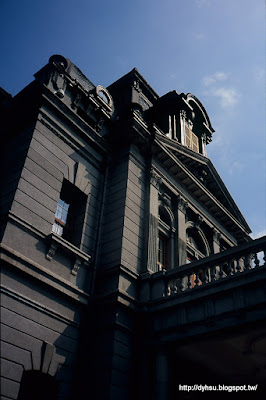


Photo 1: 台北賓館 (BESSA R2C, Zeiss Opton Biogon 2.8/35mm T)


Photo 2: 台北賓館右翼 (BESSA R2C, Zeiss Opton Biogon 2.8/35mm T)


Photo 3: 台北賓館長廊 (BESSA R2C, Zeiss Opton Biogon 2.8/35mm T)

其它精采照片請參閱 台北賓館 相簿。

2006年7月31日 星期一

50 Years Old Zeiss Lenses II 五十歲的蔡司老鏡 第2集

2006.7.31

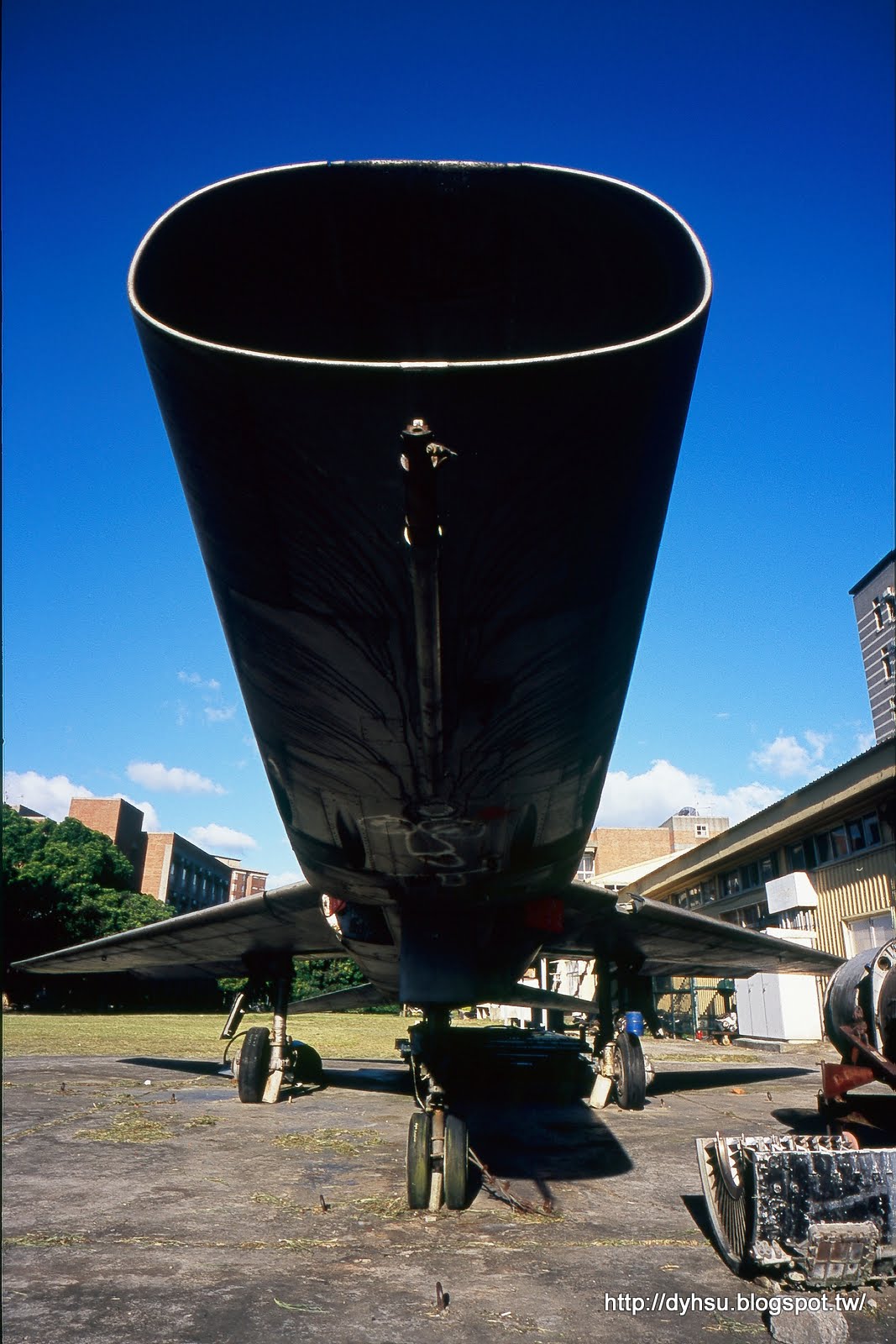
The last time I took pictures of abandoned fighter jets in a typhoon, this time I changed to f16 in the bright sun. The taste is completely different. Do the predecessors recall the heroic figure of the Taiwan Strait Air War that year? (PS: I was not born yet that year)

上次颱風天拍攝的廢棄戰機,這次改在f16艷陽天下拍攝,味道完全不同,前輩們是否回憶起當年台海空戰的英姿呢? (PS:當年我還未出生)


Photo 1: F-100軍刀機外觀 (Zeiss Opton Biogon 35/2.8 T)


Photo 2: F-100軍刀機的機腹 (Voigtlander SC Skopar 21/4)


Photo 3: F-100軍刀機的引擎室 (Voigtlander SC Skopar 21/4)


Photo 4: F-100軍刀機蒙皮 (Zeiss Opton Biogon 35/2.8 T)


Photo 5: F-100軍刀機機尾 (Zeiss Opton Biogon 35/2.8 T)


Photo 6: F-100軍刀機的引擎零件 (Zeiss Opton Sonnar 50/2 T)


Photo 7: F-100軍刀機的引擎 (Zeiss Opton Sonnar 50/2 T)


Photo 8: F-100軍刀機駕駛座 (Zeiss Opton Sonnar 50/2 T)


Photo 9: F-100軍刀機鼻輪 (Zeiss Opton Sonnar 85/2 T)


Photo 10: F-100軍刀機引擎葉片 (Zeiss Opton Sonnar 85/2 T)

Voigtlander SC Skopar 21/4、Zeiss Opton Biogon 35/2.8 T、Zeiss Opton Sonnar 50/2 T、Zeiss Opton Sonnar 85/2 T、Voigtlander BESSA R2C。


Gear 1: 裝上21mm外接觀景窗後的 Voigtlander Bessa R2C 與 SC Skopar 21/4


完整照片 50 Years Old Zeiss Lenses II 五十歲的蔡司老鏡 Part 2

2006年7月14日 星期五

50 Years Old Zeiss lenses I 五十歲的蔡司老鏡 第1集

2006.7.14

Today was a typhoon day, with cloudy skies and a light drizzle. I had originally planned to take a day off to go somewhere further away to take photos, but I had to change my plans and head to the National Taiwan University campus to find some subjects to shoot. I took out my Vagolandar Bessa R2C and SC Skopar 21/4 lenses from my camera bag, and I also brought along a few of my Zeiss vintage lenses, which are over 50 years old.
 
今天是颱風天,天空陰陰的,而且有點飄雨,原本請假想到遠一點的地方拍照,只好轉到台大校園找一些主題拍拍。從防潮箱裡拿出 Vagolandar Bessa R2C 和SC Skopar 21/4 的鏡頭,順便也將幾顆年過半百的蔡斯老鏡帶出來透透氣。


Gear 1: 由左至右分別為 Zeiss Opton Sonnar 85/2 T、Zeiss Opton Biogon 35/2.8 T、Voigtlander Bessa R2C 與 Zeiss Opton Sonnar 50/2 T


Gear 2: 由左至右分別為 Voigtlander SC Skopar 21/4、Zeiss Opton Biogon 35/2.8 T、Zeiss Opton Sonnar 50/2 T、Zeiss Opton Sonnar 85/2 T


Gear 3: Zeiss Opton Lenses for Zeiss Ikon Contax

There is a decommissioned F-100 fighter jet next to the National Taiwan University Department of Mechanical Engineering laboratory. It was originally used for student research, but now only some disassembled components are scattered around the main body of the aircraft. If this aircraft was still in service, it would be about 40 years old. Pairing it with vintage lenses that are also over 50 years old should give it a unique flavor.

Since it was a cloudy day, I chose to use RVP100 film for the shoot. I adjusted the exposure by -0.5 to -1EV, mainly to create a sense of historical atmosphere for the subject. However, this also sacrificed a lot of the details in the shadows. I think I will not make this adjustment next time, as brighter and more vibrant photos are more appealing.

台大機械系實驗工廠旁有一台廢棄的F-100軍刀戰機,原先應該是供學生做研究的,現在只看到一些分解的組件散在飛機主體旁邊。如果這架飛機還在服役的話應該也有近40年的歷史了,搭配50年的歷史的老鏡應該有它獨特的味道。
由於是陰天,所以我選用RVP100來拍攝,曝光方面有-0.5到-1EV調整,主要是想營造主題特有歷史感,不過卻也犧牲了蠻多的暗部細節。我想下一次不會再做這種調整了,畢竟還是亮一點鮮豔一點的相片較討喜。


Photo 1: F-100軍刀機的機腹 (Voigtlander SC Skopar 21/4)


Photo 2: F-100軍刀機的外觀 (Voigtlander SC Skopar 21/4)


Photo 3: F-100軍刀機的引擎室 (Voigtlander SC Skopar 21/4)


Photo 4: F-100軍刀機的座艙罩 (Zeiss Opton Biogon 35/2.8 T)


Photo 5: F-100軍刀機的引擎零件 (Zeiss Opton Biogon 35/2.8 T)


Photo 6: F-100軍刀機的引擎渦輪葉片 (Zeiss Opton Sonnar 50/2 T)


Photo 7: F-100軍刀機的外觀近照 (Zeiss Opton Sonnar 50/2 T)


Photo 8: F-100軍刀機的青天白日 (Zeiss Opton Sonnar 50/2 T)


Photo 9: F-100軍刀機的引擎零件 (Zeiss Opton Sonnar 85/2 T)


Photo 10: F-100軍刀機的引擎零件 (Zeiss Opton Sonnar 85/2 T)

完整照片請參閱 50 Years Old Zeiss Lenses I 五十歲的蔡司老鏡 Part 1 相簿